
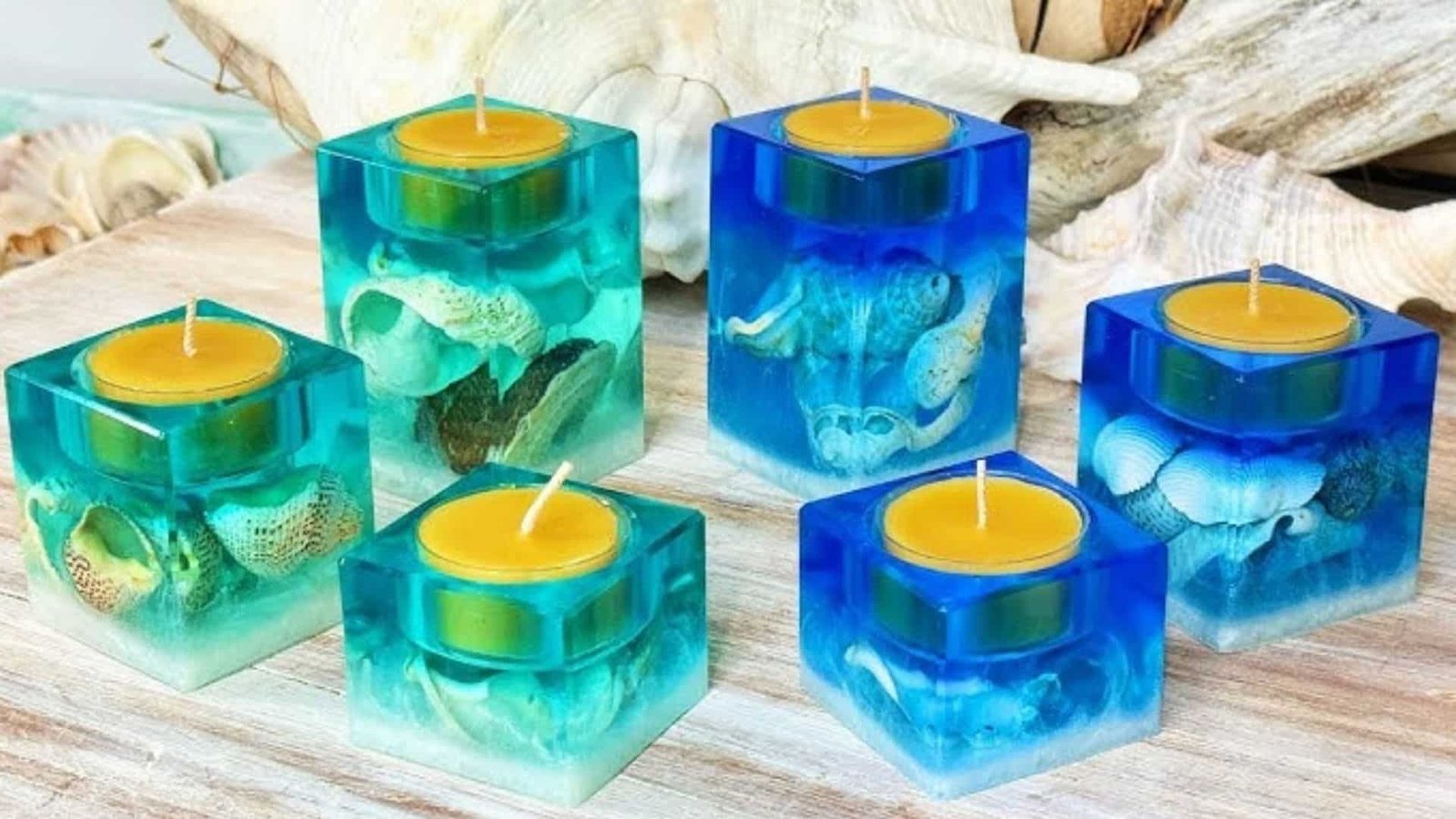
The artisanal home fragrance and luxury scented candle market in India is experiencing exponential growth. Driven by festive gifting during Diwali, weddings, corporate hamper curation, and self-care aromatherapy routines, handmade candles now command premium retail prices between Rs 499 and Rs 1,499 per jar. If you are looking to start a creative, high-profit business from the comfort of your home, candle making provides one of the lowest entry barriers with extraordinary profit margins.
The Business Economics at a Glance
Average production cost of a 200g luxury soy candle: Rs 135 to Rs 160 (including amber glass jar, 100% natural soy wax, IFRA-certified fragrance oil, wooden wick, and custom label). Average selling price on Instagram or Shopify: Rs 499 to Rs 799. Gross profit margin: 68% – 78%.
1. Choosing the Right Wax: Soy 464 vs Beeswax vs Paraffin
The foundation of every candle is the wax. For years, commercial candles in India were manufactured with cheap petroleum-derived paraffin wax. While paraffin holds intense fragrance and is inexpensive, modern conscious consumers actively avoid it due to black soot, pet toxicity, and respiratory irritation.
To position your brand as a modern, premium lifestyle product, use 100% Golden Wax 464 (Soy Wax) or a custom Soy-Coconut blend:
- Soy Wax 464: Plant-based, biodegradable, burns 40% slower than paraffin, produces zero toxic soot, and provides smooth, creamy tops when poured at the optimal temperature (135 F / 57 C).
- Beeswax: Naturally air-purifying (releases negative ions), has a natural sweet honey scent, but requires higher melt points and is more expensive. Excellent for pillar and taper candles.
- Paraffin Wax: High scent throw but cheap perception. Best avoided if targeting the luxury or boutique market.
2. Fragrance Loading & Flash Point Mastery
The number one complaint Indian candle customers have with beginner brands is “The candle smells amazing in the jar (cold throw), but has zero fragrance when burning (hot throw).”
Here is the scientific formulation secret:
- Calculate Proper Fragrance Load: Never eyeball fragrance oil. Standard luxury soy candle formulations require 8% to 10% fragrance oil by weight. For a 200g batch of wax, add 16g to 20g of concentrated fragrance oil.
- The Temperature Sweet Spot: Add fragrance oil to soy wax at precisely 185 F (85 C). At this temperature, the oil completely binds to the wax molecules without scorching the delicate top notes. Stir gently and continuously for 2 full minutes.
- Curing Time: Soy candles require a minimum of 10 to 14 days of curing in a dark, climate-controlled space before burning. This allows the fragrance oil to cure evenly throughout the crystalline wax structure.
3. Wick Selection: Preventing Tunneling & Mushrooming
Nothing ruins a candle faster than tunneling (where the wick burns a deep hole down the middle, leaving half the wax wasted on the sides). The wick is the engine of the candle:
- Cotton Braided Wicks (ECO or CD Series): Flat-braided cotton with paper filament threads. Perfect for consistent flame and clean combustion in soy wax.
- Crackling Wooden Wicks: Made from sustainably sourced cherry or maple wood. They produce a soothing fireplace crackle sound, adding a massive luxury feel that allows you to charge Rs 200+ more per candle.
4. Costing & Profit Margin Blueprint (Indian Market)
| Raw Material Item | Quantity / Unit | Unit Cost (INR) |
|---|---|---|
| Pure Soy Wax 464 | 180 grams | Rs 45 |
| Premium IFRA Fragrance Oil (French Lavender / Oud) | 18 grams (9% load) | Rs 42 |
| Frosted Amber / Matte Black Glass Jar with Metal Lid | 1 unit (200ml) | Rs 35 |
| Crackling Wood Wick + Metal Clip | 1 set | Rs 6 |
| Waterproof Gold-Foil Textured Label + Warning Sticker | 1 set | Rs 10 |
| Total Raw Production Cost | Per Finished Candle | Rs 138 |
| Retail Selling Price (B2C) | 1 Unit | Rs 549 – Rs 799 |
| Net Profit Per Candle | Margin ~75% | Rs 411 – Rs 661 |
5. Raw Material Sourcing Directory in India
Sourcing directly from primary importers and wholesale chemical markets drastically reduces your cost compared to buying small kits on retail marketplaces:
- Delhi NCR: Khari Baoli, Tilak Bazaar, and Sadar Bazaar for wholesale glass jars, tin containers, pure essential oils, and wax blocks.
- Mumbai: Crawford Market and Princess Street for laboratory glassware, digital thermometers, silicone molds, and specialty fragrance bases.
- Verified Online Chemical Suppliers: Seek out bulk sellers on IndiaMART who provide authentic IFRA (International Fragrance Association) safety certificates and MSDS datasheets.
6. Mandatory Legal & Packaging Norms
To sell commercially in India via your own website, Amazon, or boutique lifestyle stores, ensure you follow the Legal Metrology (Packaged Commodities) Rules:
- Mandatory fire safety warning label at the base of every jar (trim wick to 1/4 inch, do not leave unattended, burn on heat-resistant surface).
- Net quantity in grams or ml.
- Manufacturer / Packer name, address, and consumer customer care email/phone.
- MRP (inclusive of all taxes) and month/year of manufacture.
Take Your Craft to the Next Level
While the fundamentals above give you the blueprint, mastering luxury formulations like dessert piping candles, floating botanical candles, and French aromatherapy requires step-by-step visual guidance.
Explore our comprehensive masterclass: Alphaaa Academy Complete Candle Making Masterclass, where our master artisans take you through 15+ hands-on projects, digital formulation calculators, and vendor contacts with doorstep delivery of complete raw material kits.
Master This Craft with Step-by-Step Live Mentorship
Get interactive video masterclasses, downloadable formulation recipes, direct raw-material vendor directories, and certificate of completion.
Explore All Academy Workshops →