
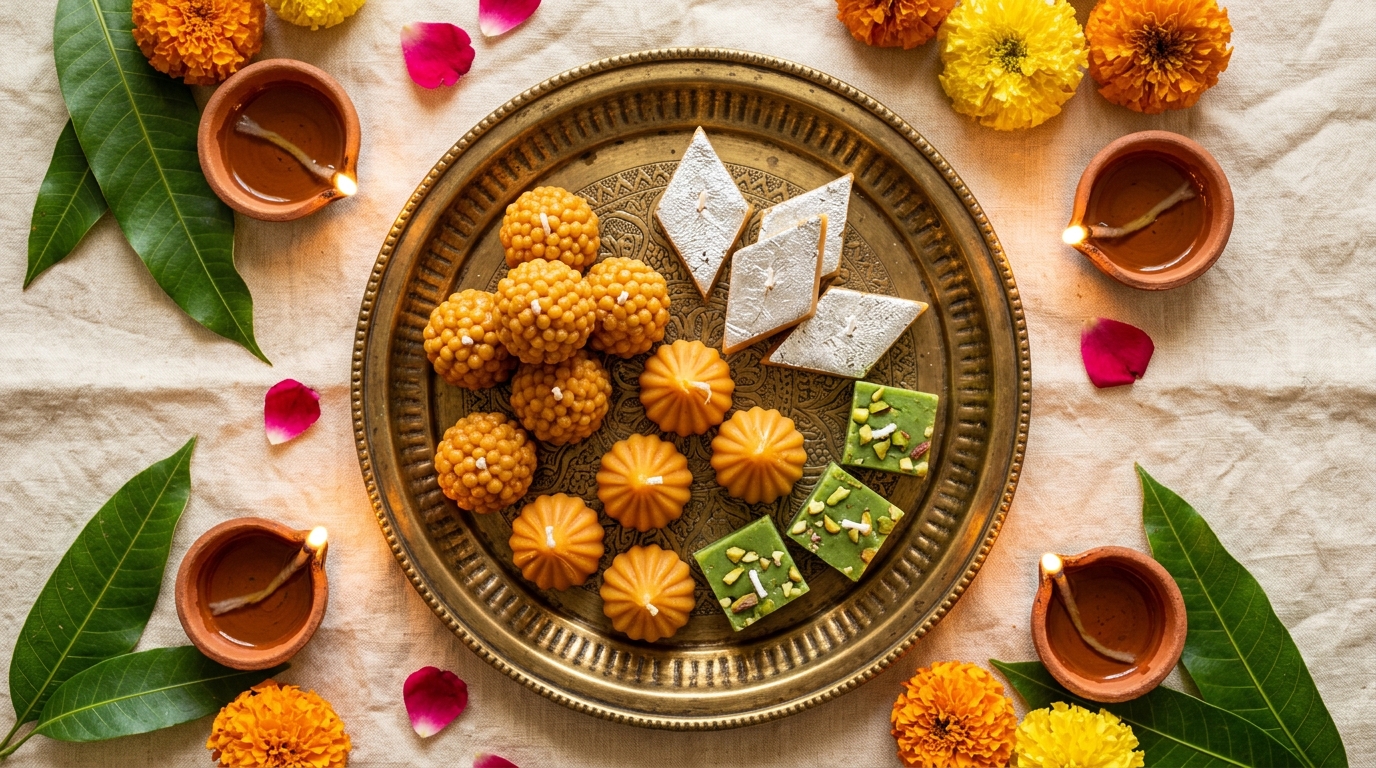
Every festive season, Indian homes are lit up with bright diyas and overflowing with traditional sweet boxes. In recent years, an imaginative craft trend has taken the Indian home décor and festive gifting market by storm: hyper-realistic Mithai Candles. From golden boondi laddus and silver-foiled kaju katlis to saffron-scented modaks and creamy pista barfis, these dessert candles capture all the nostalgia and celebration of traditional Indian sweets—with zero expiry dates and zero calories!
The Festive Mithai Candle Opportunity in India
Corporate clients, wedding planners, and festive shoppers are actively replacing traditional perishables with long-lasting artisanal gifting platters. A beautifully arranged Mithai Candle Gift Box commands retail prices between ₹899 and ₹2,499, while costing under ₹250 to ₹400 in raw ingredients. For creative candle makers, Diwali represents the single most profitable quarter of the year.
In this in-depth guide, we walk you through the essential wax chemistry, silicone molds, authentic Indian festive scents, step-by-step molding tutorials, accurate costing breakdowns, and proven marketing tactics to launch your festive candle line this Diwali.
Why Mithai Candles Are Dominating Diwali Gifting
Modern consumers love tradition, but modern gifting faces practical challenges with food sweets:
- Zero Perishability: Real sweets spoil within days, especially in courier transit across India. Mithai candles last indefinitely until lit.
- Health & Calorie Consciousness: Families receiving dozens of sweet boxes during Diwali often struggle with excess sugar. A sweet-looking candle provides the festive charm without health concerns.
- Unforgettable Visual Impact: Guests are genuinely astonished when they realize the glistening motichoor laddu or silver kaju katli on the brass thali is actually a fragrant candle!
- Viral Appeal: Hyper-realistic food candles generate phenomenal social media engagement on Instagram Reels and YouTube Shorts, driving massive organic orders without hefty ad spend.
The Science of Wax Blends: Pillar Wax vs. Container Wax
One of the biggest mistakes beginners make is using standard container soy wax (such as Soy 464) to pour mithai molds. Container wax has a low melting point (45°C–49°C) and is soft and sticky, which leads to damaged details, dented edges, and melted sweets in warm Indian weather.
To produce crisp, sharp mithai edges that demold cleanly without tearing, you need a firm, structural wax blend:
The Master Mithai Wax Formulation
- 60% Hard Soy Pillar Wax (or Tart/Votive Soy Blend): Provides an organic, natural aesthetic and excellent fragrance dispersion.
- 30% Fully Refined Paraffin Wax (Melting Point 58°C–62°C): Adds structural rigidity, translucent depth, and crisp mold release.
- 10% Stearic Acid: Hardens the wax, increases opacity, aids clean mold shrinkage, and gives a smooth, velvety finish mimicking mawa/khoya.
Alternative 100% Vegan Blend: 85% Soy Pillar Wax + 15% Stearic Acid or 10% Candelilla/Carnauba Wax.
Essential Supplies & Tools You Need
Before beginning your festive pour, ensure you have these essential workshop supplies:
- Food-Grade Silicone Mithai Molds: Available in shapes of Kaju Katli, Modak, Peda, Gulab Jamun, Rasgulla, Gujiya, and Jalebi. Food-grade silicone offers extreme flexibility, enabling clean de-molding without breaking fine ridges.
- Oil-Soluble Candle Dye Chips / Liquid Dyes: Golden Yellow (for laddus/kesar), Ivory/Cream (for kaju katli/peda), Terracotta Orange (for jalebi/imarti), and Pistachio Green. Avoid water-based food colors as they separate from wax.
- Silver Foil (Chandi Vark) or Edible-grade Leaf: Authentic Indian silver vark pressed onto the surface gives kaju katlis and barfis their unmistakable festive luster.
- Cotton Braided Wicks (Sizes #1 to #3): Smaller diameter braided cotton wicks prevent oversized flames from burning down freestanding wax sweets too quickly.
- Double Boiler or Wax Melting Pot: Never melt wax directly over an open flame. Always use indirect heat with a digital candy thermometer.
- Crushed Wax Pistachio & Saffron Embellishments: Shaved green wax flakes to mimic chopped pistachios, and shredded reddish-orange strands to mimic Kashmiri saffron threads.
Formulating Authentic Indian Festive Fragrances
Visual realism is only half the magic—the moment a customer opens your mithai box, the aroma must transport them into an authentic traditional halwai kitchen. Use high-flashpoint, IFRA-certified fragrance oils:
- Kesar Elaichi (Saffron & Green Cardamom): The signature aroma of Indian festivals. Warm, comforting, and instantly recognizable.
- Mawa & Sweet Condensed Milk: Rich, buttery, creamy undertones that give pedas and barfis an authentic dairy fragrance profile.
- Gulab Jamun (Rosewater & Cardamom Syrup): Sweet floral notes layered over honey and caramelized sugar notes.
- Pista Badam (Warm Almond & Pistachio): Nutty, decadent, and luxurious.
Fragrance Ratio Guideline: Add fragrance oil at 8% to 10% of total wax weight when wax temperature cools to 65°C–70°C. Stir gently in a figure-eight motion for a full 2 minutes to ensure complete bonding before pouring.
Step-by-Step: Crafting Popular Mithai Candles
1. Boondi & Motichoor Laddus (The Crumble Technique)
While silicone molds exist for spherical laddus, the most hyper-realistic method is the hand-rolled wax crumble technique:
- Melt hard soy wax with golden-yellow and a micro-drop of orange dye, adding Kesar Elaichi fragrance oil.
- Pour the warm wax onto a flat baking tray lined with parchment paper in a thin 2mm sheet.
- As the wax cools to a pliable dough-like stage, scrape and crumble it using a fork into tiny distinct beads resembling fried boondi droplets.
- Take a primed cotton wick, roll the warm wax granules into a tight spherical ball around the wick using your palms, and press chopped wax pistachios into the exterior.
- Allow to cure for 24 hours. The resulting rough, glistening texture is virtually indistinguishable from real motichoor!
2. Kaju Katli with Chandi Vark
- Melt soy pillar wax with a touch of ivory dye and stearic acid to create an opaque, cashew-paste color.
- Pour into diamond-shaped kaju katli silicone cavities at 65°C.
- Insert a pre-waxed wick through the center using a wick needle.
- Once cooled and demolded, gently apply a genuine silver vark sheet using a soft dry makeup brush onto the diamond surface. Tap gently so the silver leaf bonds with the wax.
3. Kesar Modaks & Pedas
- Use 3D two-part interlocking silicone modak molds.
- Thread a primed wick from the pointed tip through the base before pouring.
- Pour cream-colored wax infused with saffron yellow marbling.
- Once cured, paint delicate brush strokes of melted saffron-colored wax along the fluted ridges of the modak for depth.
Costing & Profit Blueprint: 6-Piece Mithai Platter
Here is an exact commercial costing breakdown for producing a premium 6-piece Festive Mithai Candle Platter (including 2 Motichoor Laddus, 2 Kaju Katlis, and 2 Kesar Modaks in a luxury presentation box):
| Raw Material / Expense | Specification & Quantity | Cost (INR) |
|---|---|---|
| Hard Soy Pillar Wax & Paraffin Blend | 350 grams total wax | ₹70 |
| IFRA Festive Fragrance Oil (Kesar Elaichi) | 30 ml (approx 9% load) | ₹65 |
| Stearic Acid, Dyes & Silver Vark | Paints, leaf & micro additives | ₹25 |
| Cotton Braided Wicks & Sustainer Tabs | 6 assembled wicks | ₹12 |
| Traditional Brass/Urli Thali or Hardboard Box | Windowed festive gift packaging | ₹65 |
| Satin Ribbon, Butter Paper & Label | Brand presentation & safety flyer | ₹18 |
| Studio Electricity & Indirect Overheads | Melting energy & supplies | ₹25 |
| Total Direct Production Cost | Complete 6-Piece Gift Set | ₹280 |
| Wholesale / Corporate Price (20+ sets) | B2B Corporate Orders | ₹699 – ₹799 |
| Recommended Retail Price (MRP) | Direct-to-Consumer (D2C) | ₹1,199 – ₹1,499 |
| Estimated Net Profit Margin | Per Box Sold Online | ₹919 – ₹1,219 (76%+) |
Festive Packaging & Presentation Secrets
Candles sold as desserts must be packaged like high-end confections. The unboxing experience dictates how much customers are willing to pay:
- Traditional Mithai Sweet Boxes: Rigid cardboard boxes with gold foil embossing, transparent window lids, and separated paper dividers for each candle sweet.
- Brass & Terracotta Urlis: Float your mithai candles inside a hammered brass bowl surrounded by artificial marigold blossoms and rose petals. Customers love ready-to-display centrepieces for Diwali night.
- Mandatory Safety Warning Labels: Because these candles look and smell exactly like edible food, you MUST include a clear cautionary sticker: “Caution: Decorative Wax Candle. Do NOT Eat. Keep out of reach of children and pets.”
How to Market & Sell Out for Diwali
- Start Taking Pre-Orders 4–6 Weeks in Advance: Diwali shopping peaks 2 weeks before Dhanteras. Announce limited festive slots on Instagram and WhatsApp in late September and early October.
- Approach Corporate HR & Gift Sourcing Agencies: Send high-resolution PDF product catalogs to local real estate builders, tech offices, and boutique firms looking for unique employee festive hampers.
- Host Live Unboxing & Burning Demos on Reels: Show the candle being unboxed from a traditional sweet box, then light the wick to showcase the flame and warm aroma. These visual transformations regularly garner tens of thousands of organic views.
- Create Value Bundles: Pair a mithai platter with handmade incense cones, brass matchstick holders, or artisan soap bars for complete festival hampers.
Master Festive Mithai Candle Making with Live Guidance!
Want to learn hands-on molding, realistic texture shading, fragrance chemistry, and festive platter packaging directly from industry artisans? Join our upcoming live masterclass:
Join Mithai Candle Workshop (₹699) →
View 6-in-1 Candle Mega Combo (₹3,194) →
Includes live interactive sessions (27th–30th October), vendor sourcing contacts, exact formulation notes, and lifetime certification.
Frequently Asked Questions (FAQ)
Can I use pure soy wax for mithai candles?
Standard container soy wax is too soft and will collapse or lose fine mold details when demolded. If you wish to use 100% natural wax, use high-melting point Soy Pillar Wax combined with 10% to 15% stearic acid or candelilla wax for firmness.
Do mithai candles burn properly like jar candles?
Yes, provided you choose the correct cotton wick size. Freestanding candles require a slightly smaller wick (size #1 or #2) so the flame burns down an inner melt pool without melting out the sidewalls too quickly. Always advise customers to burn free-standing candles on a heat-resistant tray or brass plate.
How do I prevent the white frost (blooming) on dessert candles?
Soy wax naturally forms white crystal frosting over time. You can prevent or minimize this by: (1) blending 20% to 30% paraffin wax, (2) pouring wax at higher temperatures (65°C–70°C), (3) pre-warming silicone molds with a heat gun, and (4) allowing molds to cool slowly at room temperature away from air conditioners.
What licenses do I need to sell decorative candles in India?
Starting from home requires simple Udyam MSME registration (free online). If your annual revenue crosses ₹40 Lakhs (or ₹20 Lakhs for services) or you sell on large multi-state marketplaces, apply for GST. Unlike edible sweets, decorative candles do not require FSSAI licenses.
Master This Craft with Step-by-Step Live Mentorship
Get interactive video masterclasses, downloadable formulation recipes, direct raw-material vendor directories, and certificate of completion.
Explore All Academy Workshops →